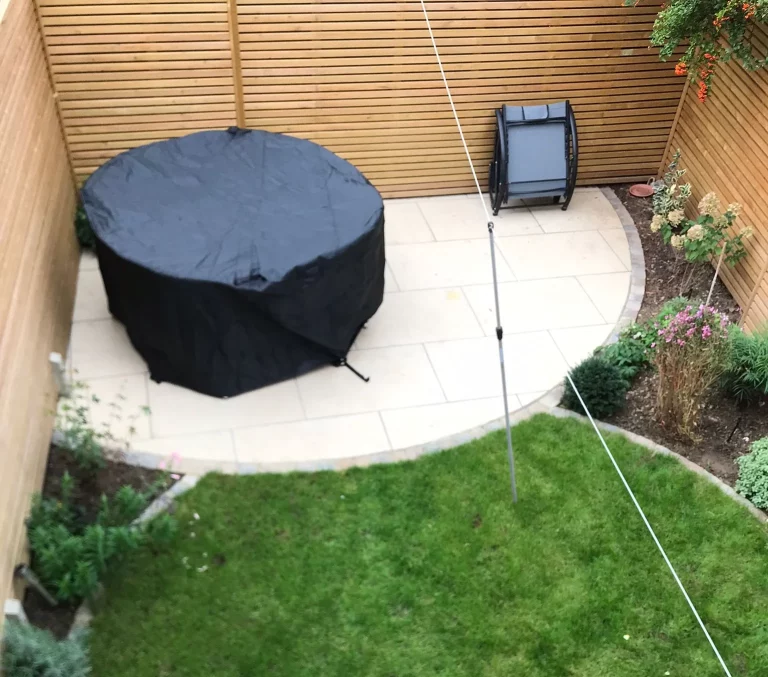
Lawn renovation
How to bring a tired, patchy lawn back to life.
As Summer fades and Autumn arrives, it’s the perfect time to revive your lawn. A well-planned renovation can help eliminate moss, improve soil health, strengthen the grass, and enhance its colour.
This guide covers essential spring lawn care steps, including moss control, aeration, fertilising, applying iron, over seeding, and the best time to use weed killers without affecting new grass growth.
Step 1: control moss for a healthier lawn
Moss thrives in damp, compacted lawns, especially after a wet winter. To remove it effectively:
- Apply a moss killer containing iron sulphate—this not only kills moss but also strengthens the grass and helps green it up.
- Wait 7–10 days for the moss to turn black before scarifying (raking) to remove the dead material.
- Prevent future moss problems by improving drainage, aerating the lawn, and reducing shade in problem areas.
Step 2: aeration – relieve soil compaction for stronger roots
Compacted soil prevents water, air, and nutrients from reaching grass roots, leading to poor growth. Aerating your lawn in early spring helps improve drainage and encourages stronger grass.
- Use a garden fork or aerator to create small holes in the soil.
- For heavy compaction, hollow tine aeration (which removes plugs of soil) is more effective.
- Follow up with a light top-dressing (a sand/loam mix) to help keep the holes open.
Step 3: fertilising for healthy growth
Once the moss is cleared and the lawn is aerated, it’s time to feed the grass.
- Use a high-nitrogen spring fertiliser to boost growth and recovery.
- If overseeding, choose a balanced fertiliser with phosphorus and potassium to support seed germination.
- Avoid over-fertilising, as this can cause excessive soft growth, making the lawn more prone to disease.
Step 4: applying iron for a deep green lawn
Iron sulphate is a great lawn treatment in spring because it:
- Enhances the green colour of the grass by increasing chlorophyll production.
- Hardens the turf, making it more resistant to disease.
- Helps control moss, particularly when applied before scarification.
Best application tips
- Apply iron in cool, damp conditions to avoid scorching.
- Don’t apply in hot weather, as it may burn the grass.
- Water in lightly if there’s no rain expected within 24 hours.
Step 5: seeding for a thicker, fuller lawn
If your lawn has thin or bare patches, spring is an ideal time to overseed—but timing is crucial.
- Grass seed germinates best at 10–15°C. If it’s too cold, the seed won’t establish properly.
- Lightly rake the surface before seeding to ensure good seed-to-soil contact.
- Water lightly but consistently until germination occurs (usually 7–21 days, depending on the seed type).
- Use a pre-seed fertiliser to give new grass the nutrients it needs.
Step 6: controlling weeds without harming new grass
If your lawn has a weed problem, a selective weed killer can remove unwanted growth without damaging the grass. However, timing is essential, especially if you plan to overseed.
When to apply selective weed killer
- Best time: late spring (April to June) when weeds are actively growing.
- Second application: early autumn (September to October) for stubborn weeds.
- Apply on a calm, dry day with no rain forecast for at least 24 hours.
How weed killer affects grass seed germination
- Before seeding: Wait 4–6 weeks after applying weed killer before sowing new grass seed.
- After seeding: Avoid using weed killers until new grass is well-established, typically after the first 3–4 mows.
Alternatives to chemical weed killers when seeding
- Hand-pulling weeds in smaller areas.
- Mowing regularly to outcompete weeds.
- Feeding and aerating the lawn to promote thick, healthy grass that naturally suppresses weeds.
Final tips for spring lawn success
- Mow little and often – keep your first cut high to avoid stressing the grass.
- Water only when needed – overwatering can lead to weak roots.
- Monitor for pests and diseases – a well-maintained lawn is less susceptible to problems.
Let’s create your perfect garden
Contact Flourish Landscaping for professional lawn renovation services, from moss control to overseeding and fertilisation. Let’s make your lawn lush, healthy, and green this spring!
Contact us today to arrange a consultation and start transforming your garden into the perfect outdoor space for you and your family.