
Ongoing garden maintenance – Richmond
Restoring a thoughtfully designed, mature Richmond garden through tailored seasonal care, species-specific pruning and informed horticultural maintenance — led in-house by Flourish Landscaping.
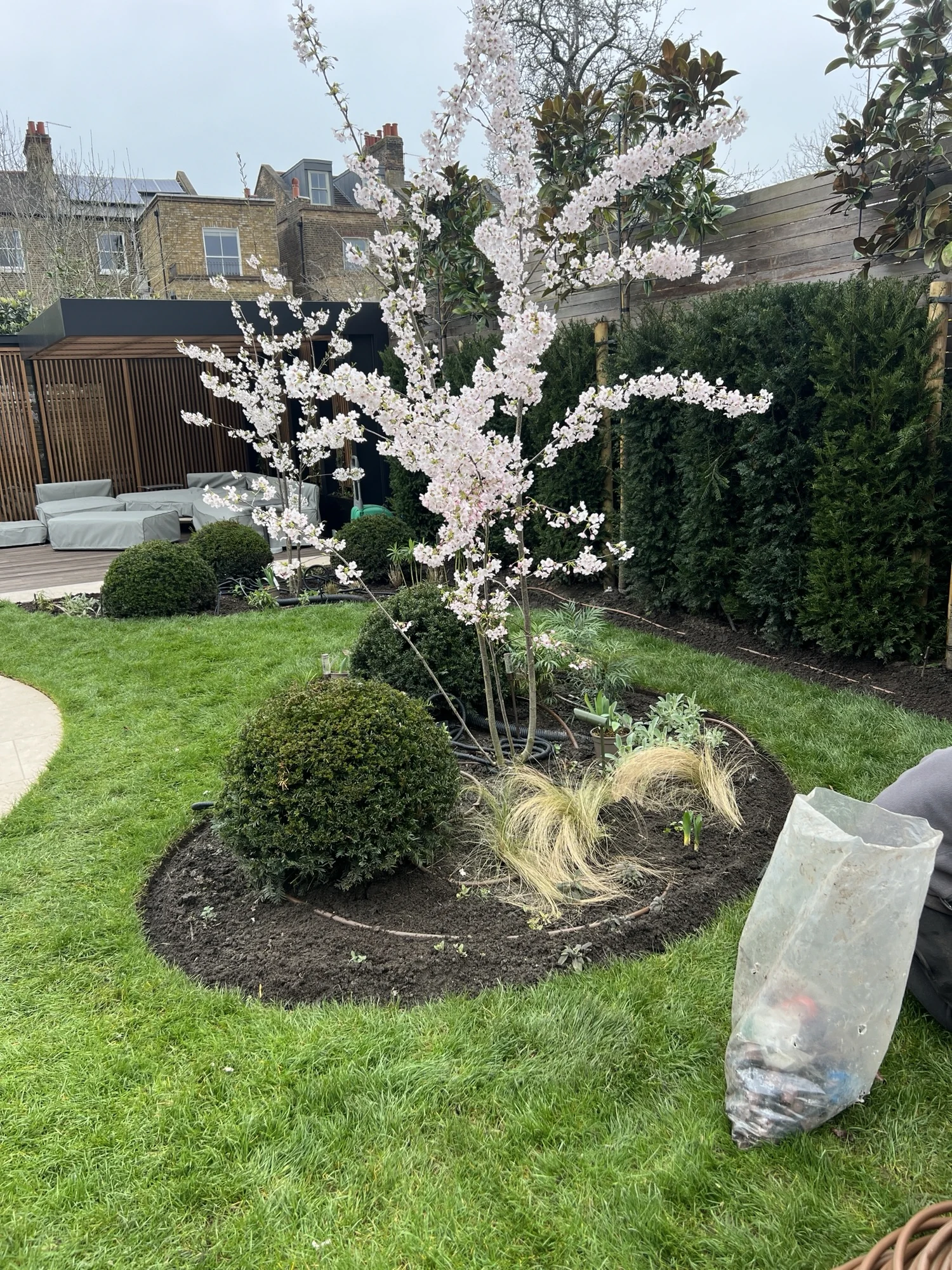
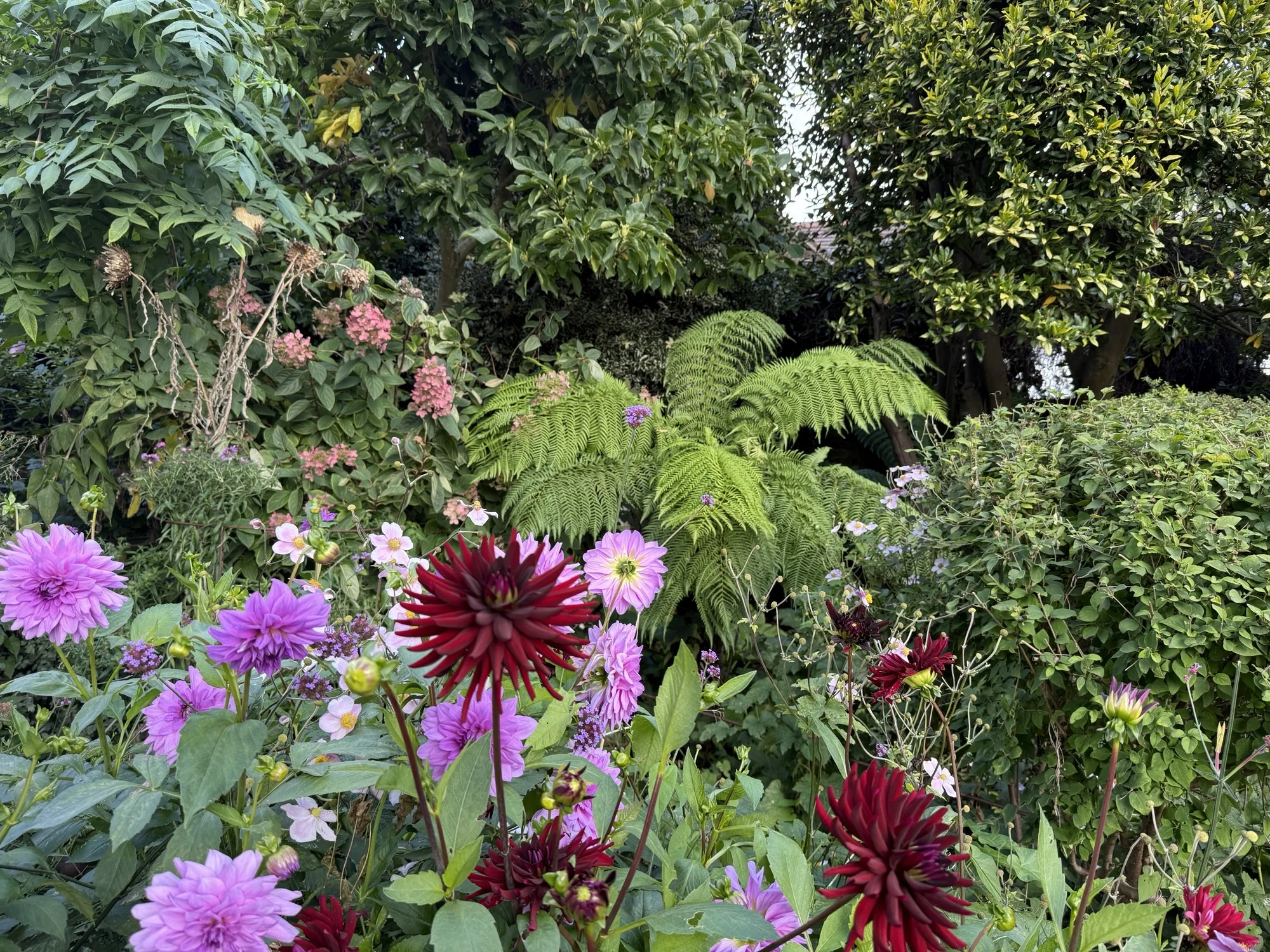
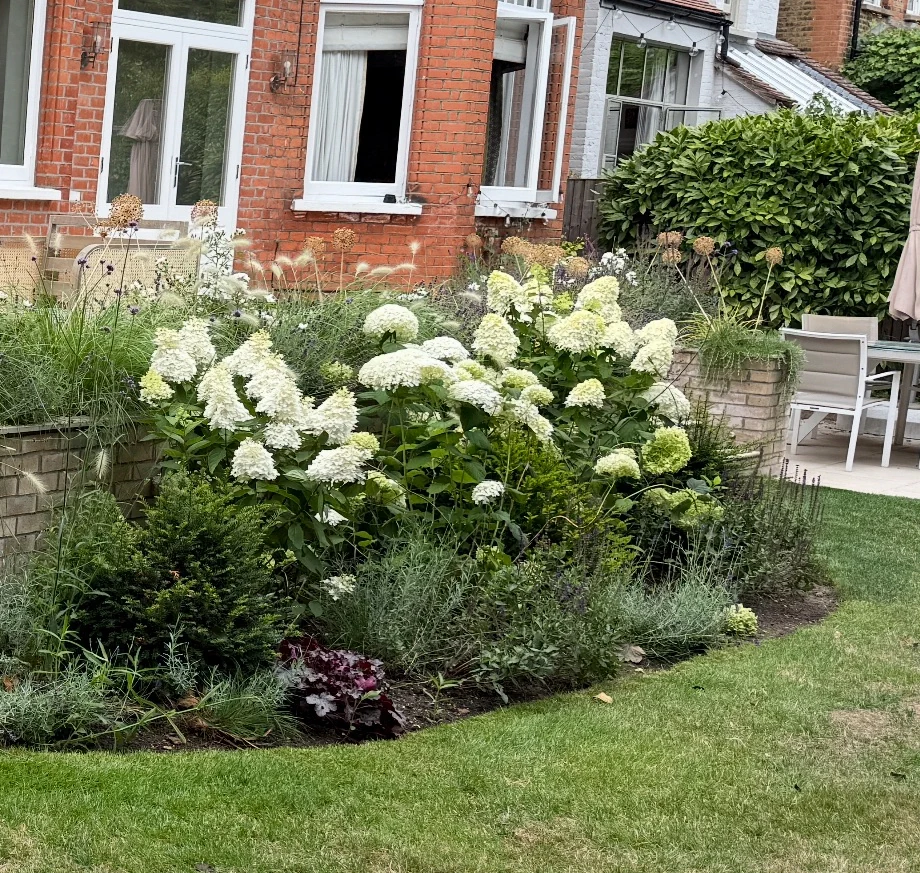
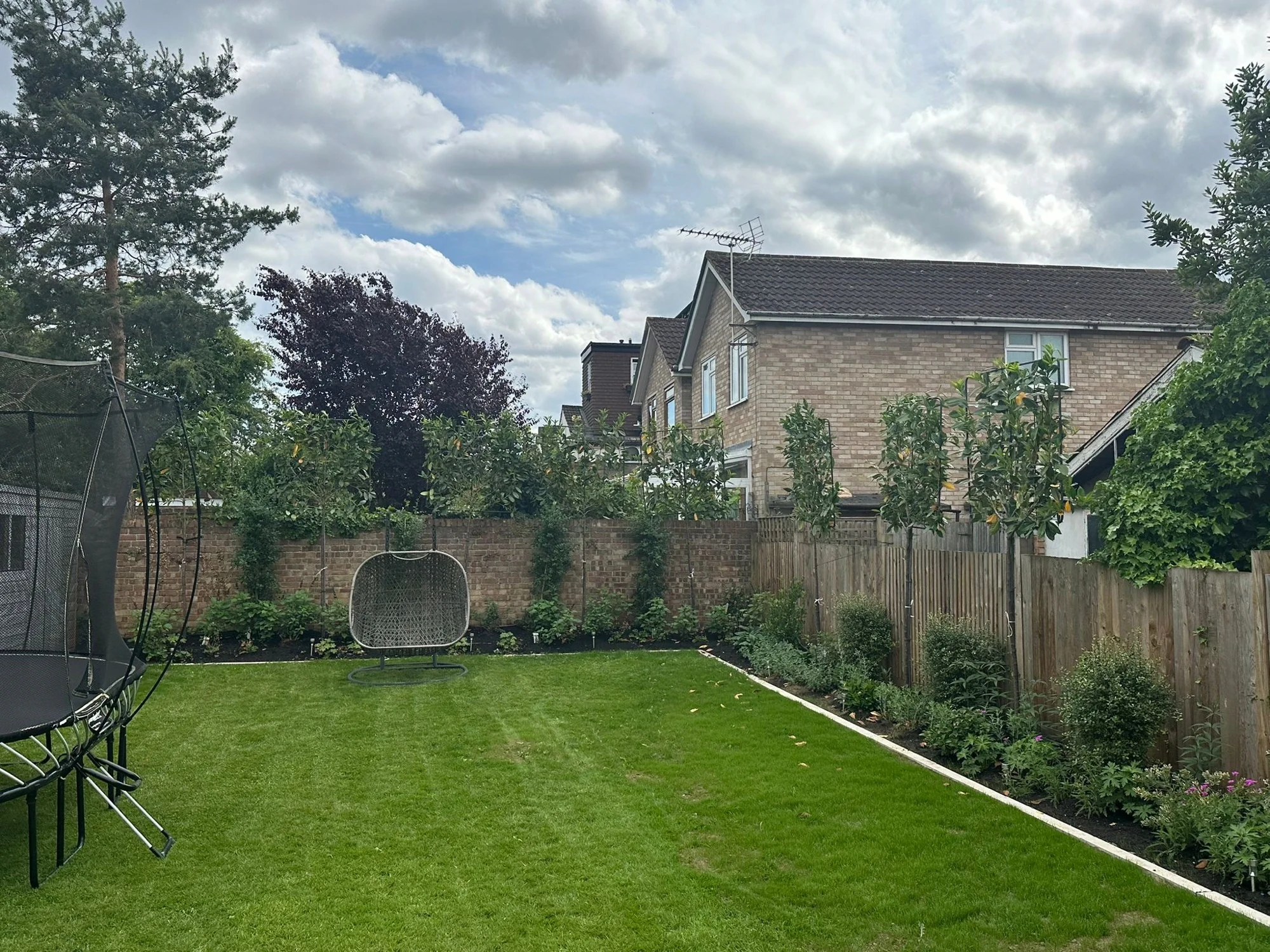
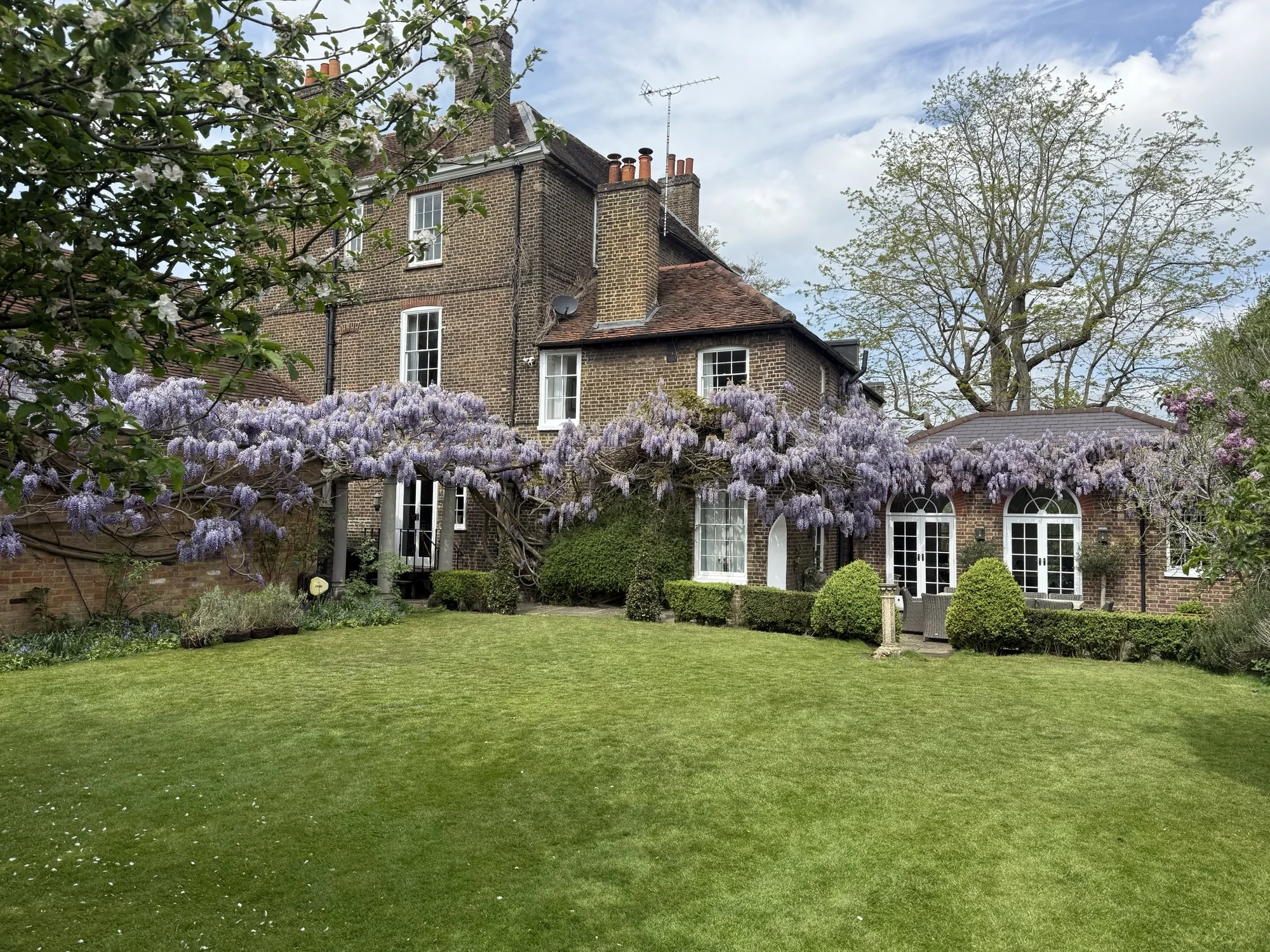
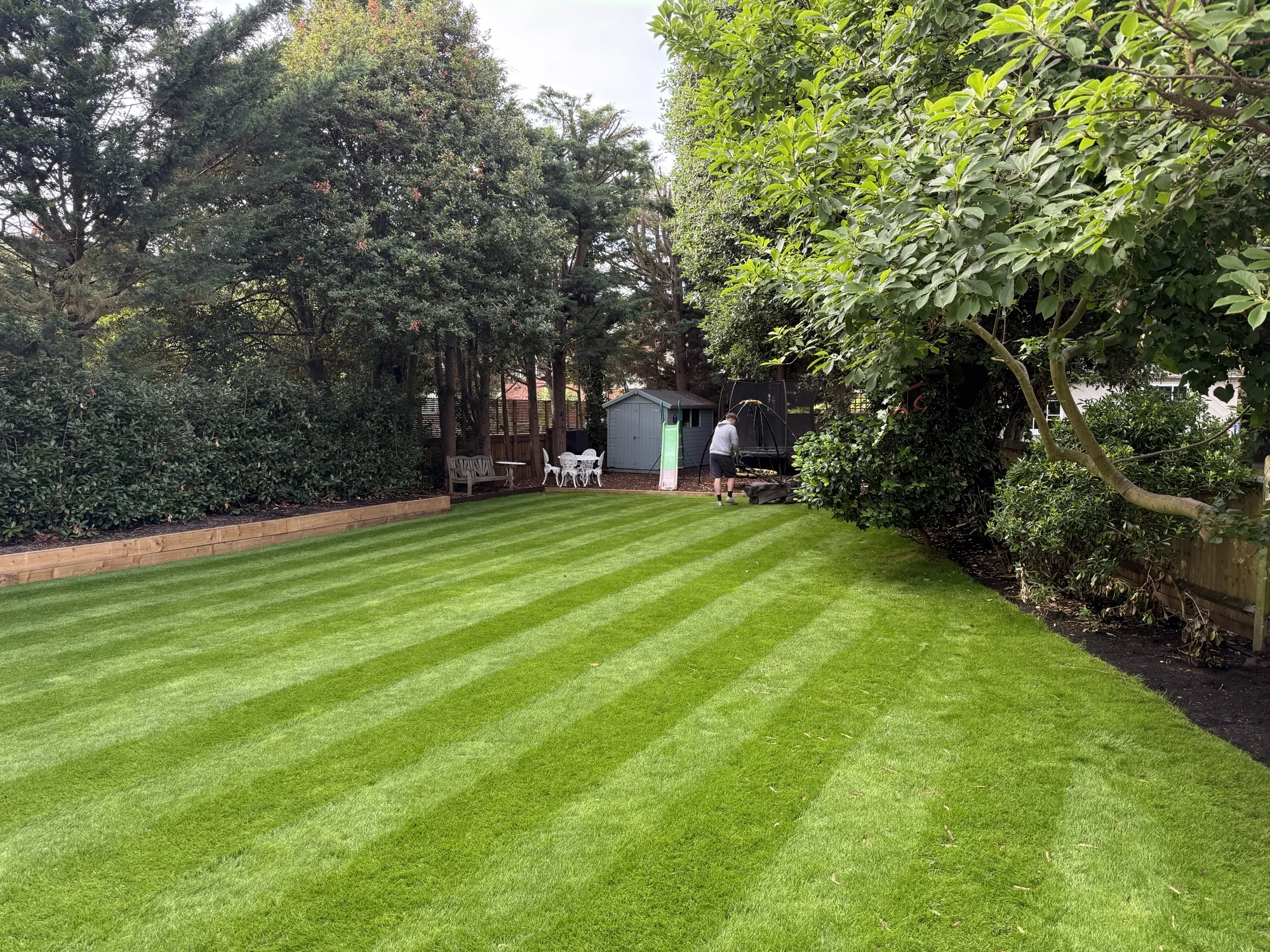
A fine garden, let slip
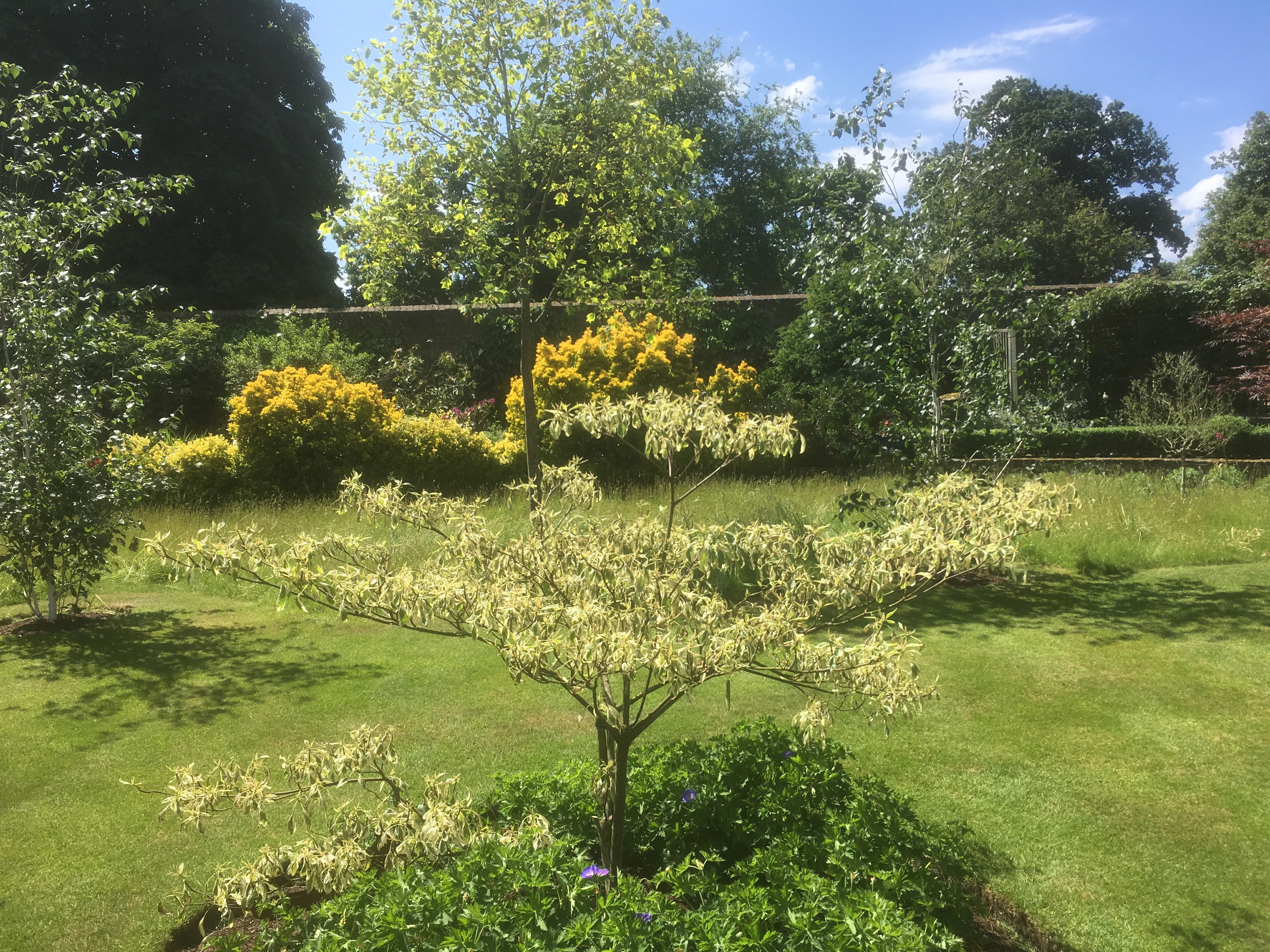
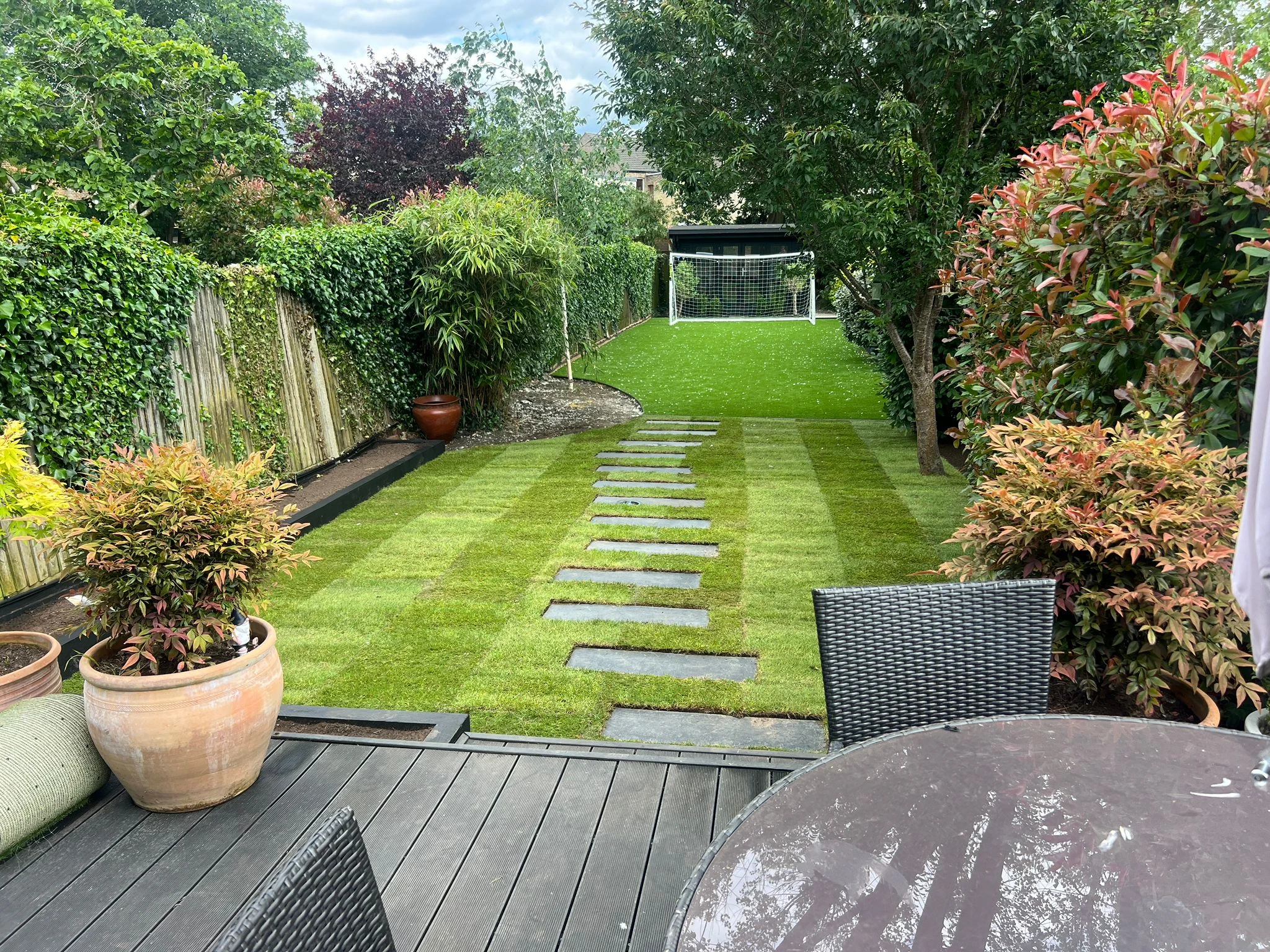
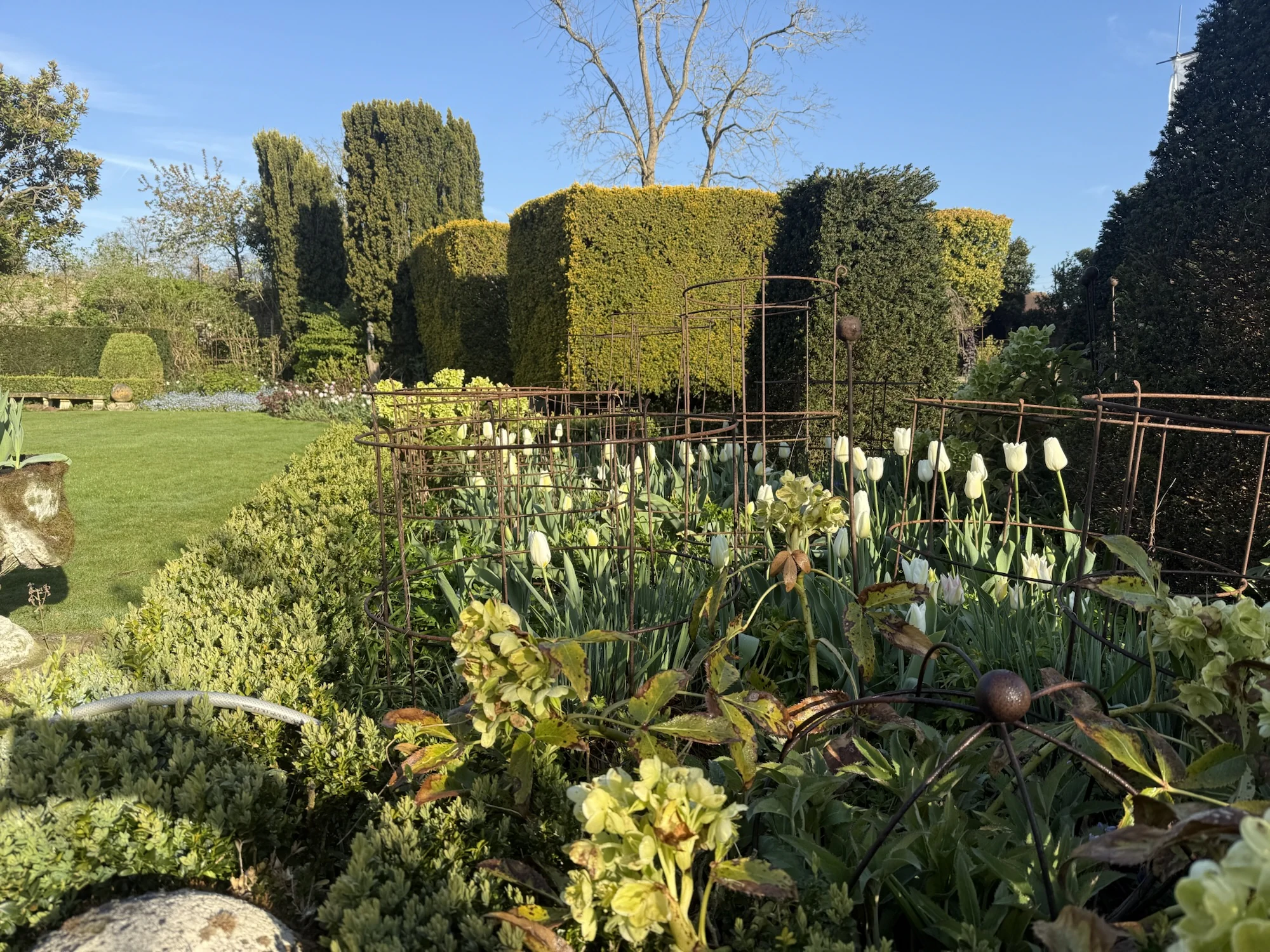
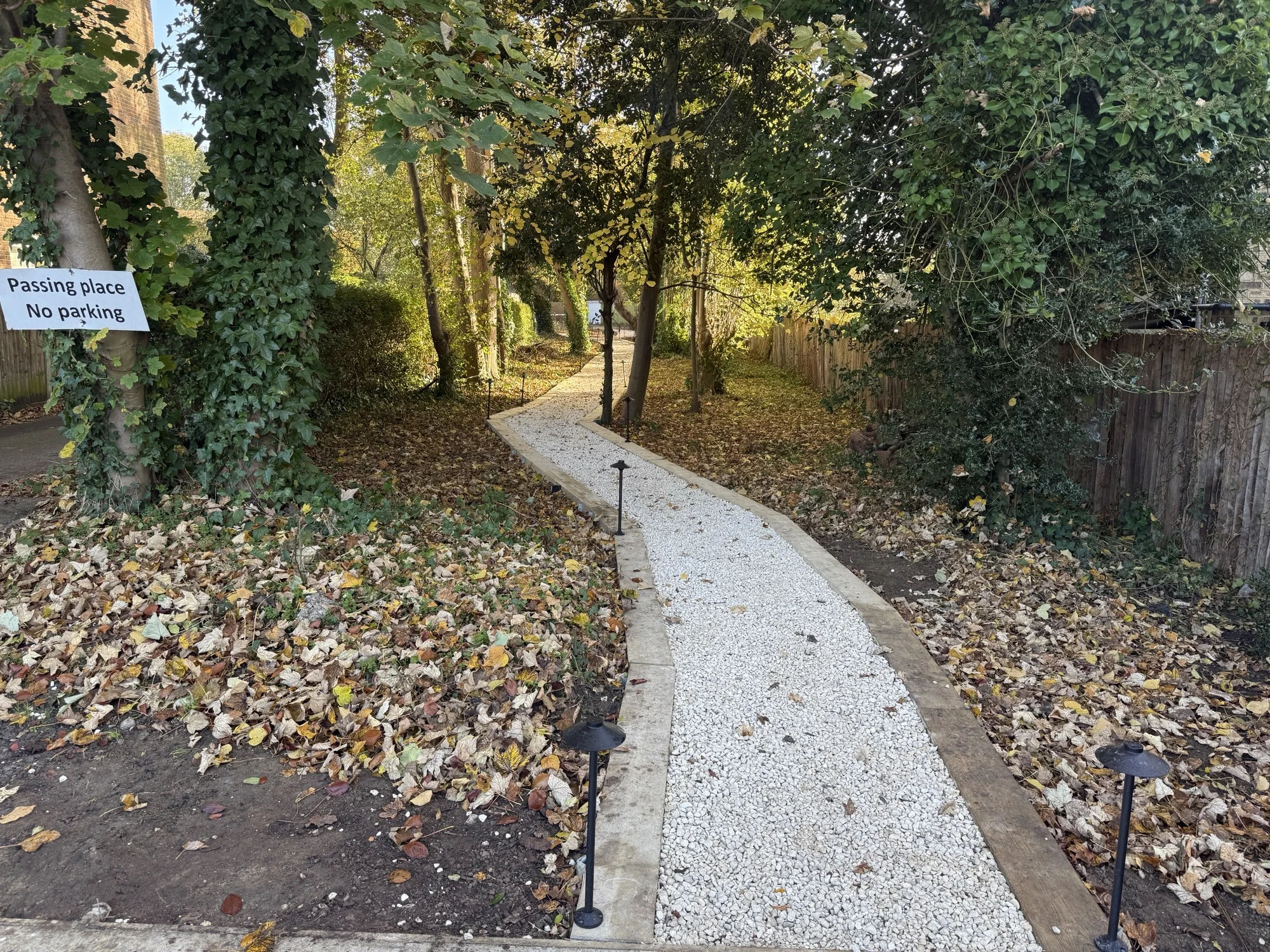
This Richmond garden had originally been thoughtfully designed, but inconsistent maintenance over the years had let its quality slip. Borders had grown congested, structure had blurred and the planting no longer performed as intended — the garden was still there, but its best qualities were being lost.
Client brief
The owners were not looking for a redesign, but for knowledgeable, reliable maintenance that would bring the garden back to its best and keep it there — care informed by horticulture rather than a one-size-fits-all mow-and-blow.
Description of works
Approach
Maintenance was planned around the plants’ requirements and seasonal timing rather than a fixed checklist. Led by Craig Davis BSc (Hons) Horticulture, and informed by membership of the Chartered Institute of Horticulture, spring visits focused on dividing congested perennials, soil improvement and early feeding, getting ahead of the season rather than reacting to it.
Autumn work prioritised plant health and long-term structure, with selective clearing timed to support wildlife rather than strip the garden bare for winter. Species-specific pruning — carried out at the right time for each plant rather than all at once — is the difference between a garden that is merely tidied and one that is genuinely cared for.
Interventions
Borders were carefully thinned and reorganised to improve spacing and airflow — a simple, often-overlooked way to reduce fungal disease and keep plants healthy. Lawns were overseeded and treated to restore colour and density, and climbers were retrained to regain even coverage along their supports.
Results
Over the course of regular visits the garden regained its clarity, balance and seasonal rhythm. Flowering became more consistent, structure returned to the borders, and the space once again reflected the quality of its original design. It is the kind of result that sits behind our 5.0 rating across 57 Google reviews.
Good to know
Frequently asked questions
Originally thoughtfully designed, the garden had suffered from inconsistent maintenance: shrubs had grown beyond their intended scale, herbaceous borders were overcrowded and seasonal interest had begun to blur. The owners wanted knowledgeable, reliable maintenance to restore its health and keep it looking its best throughout the year, rather than a redesign.
Care is planned around plant requirements and seasonal timing rather than a fixed checklist. Spring visits focus on dividing congested perennials, soil improvement and lawn renovation, with pruning tailored to each species so flowering shrubs, climbers and evergreens are cut at the correct time to protect shape and encourage strong regrowth.
Yes. We thinned and reorganised borders for better spacing and airflow, overseeded and treated lawns to restore density, and retrained climbers, with any replacement planting kept consistent with the existing palette. We cover Richmond and the wider area on weekly, fortnightly or monthly schedules, and would gladly restore your garden's rhythm too.