
The Flourish Landscaping blog
Practical, proven garden advice from a degree-qualified, multi-generational family landscaping business serving Kingston, Surbiton, Richmond, Long Ditton, Thames Ditton and the wider Surrey and South West London area.
The Flourish blog is where we share what we have learned from designing, building and maintaining gardens across our patch. You will find seasonal guidance, planting references, technical detail on planting design, advice on low-maintenance gardens, and approaches to common problems such as drainage and flooding. Everything we publish is rooted in real projects, real conditions and real plants that perform in our climate.
Editor’s picks
Four of our most useful starting points, each anchoring a wider cluster of advice. If you are not sure where to begin, start here.
Flourish Garden Sun Planner
Work out which parts of your garden are in sun and shade through the day and year, then use the planner to choose plants that will actually thrive where you put them. Reinforced by a cluster of supporting articles covering patio positioning, lawns in shade, and why plants fail in the wrong aspect.
Garden styles
A hub guide that sets out the characteristics, planting palettes and practical considerations behind contemporary, naturalistic, formal, cottage, Mediterranean and tropical styles. Useful for clarifying what you are drawn to before you commission a design.
Awkward garden types
Practical advice for gardens that do not behave themselves: long thin plots, sloping sites, shaded corner plots, north-facing rear gardens, and the rest. Each article covers what is going wrong, what to do about it, and which plants will tolerate the conditions.
Garden orientation guide
How aspect shapes everything from how warm a patio feels in late afternoon to which plants will hold up under a hot south-facing wall. A pillar guide plus eight detailed orientation-specific articles covering north, south, east and west aspects in turn.
Browse posts by category
You can also explore our wider garden advice hub, which brings together orientation guides, style references, planting databases and the Flourish Sun Planner tool.
- Garden design – blogs
- Garden maintenance – blogs
- Gardening advice – blogs
- Hard landscaping – blogs
- Planting – blogs
- Practical how-to guides – blogs
Latest from the Flourish blog
Butterflies in your garden
How to plan, plant and look after a garden that butterflies breed in, not just pass through: nectar from March to November, caterpillar food plants, design and care, for Kingston and Surrey gardens.

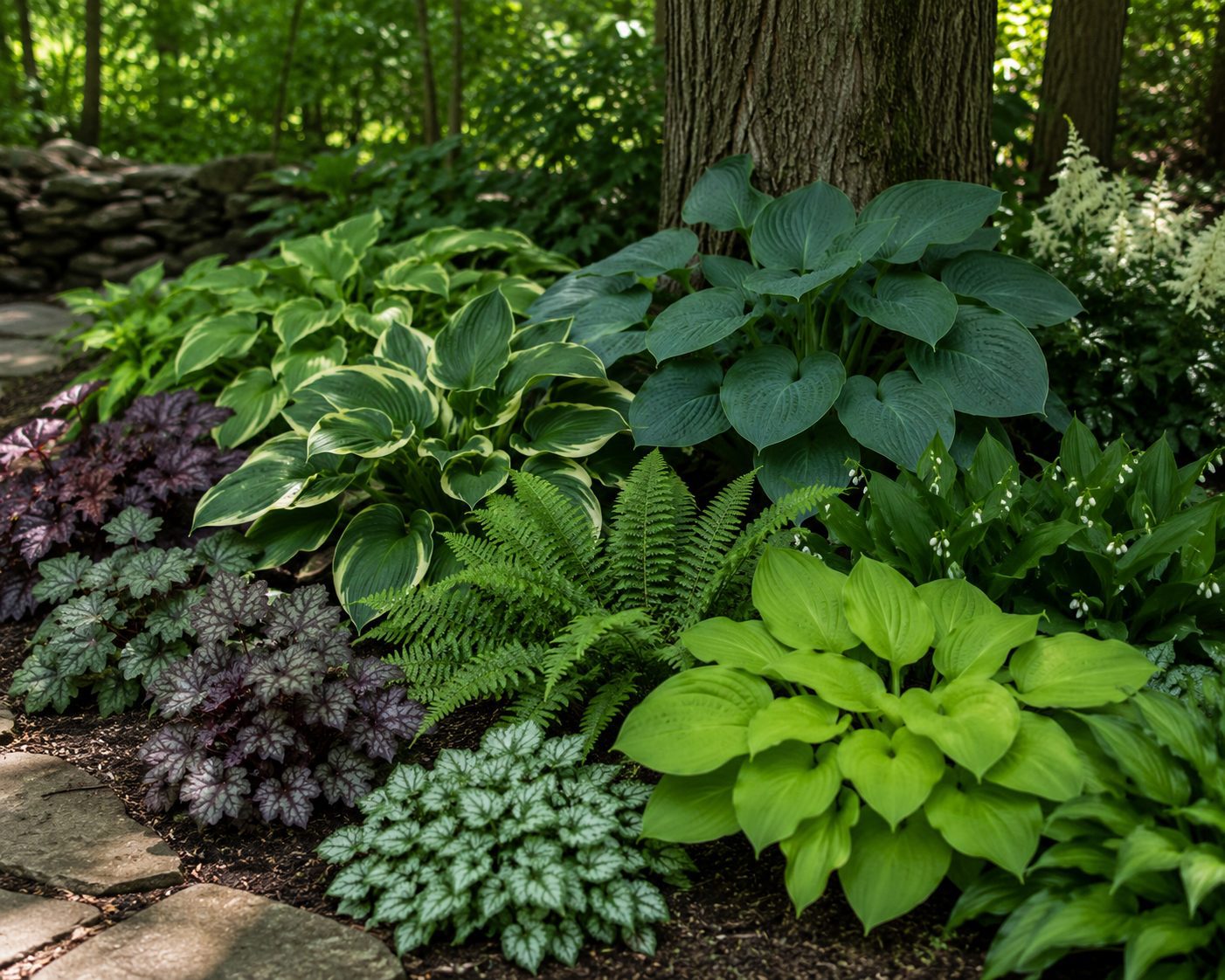
Shade plants
Most disappointing shade plantings are not failures of plant choice but failures of shade assessment. The difference between partial shade beneath deciduous trees and deep shade against a north-facing wall is larger than…
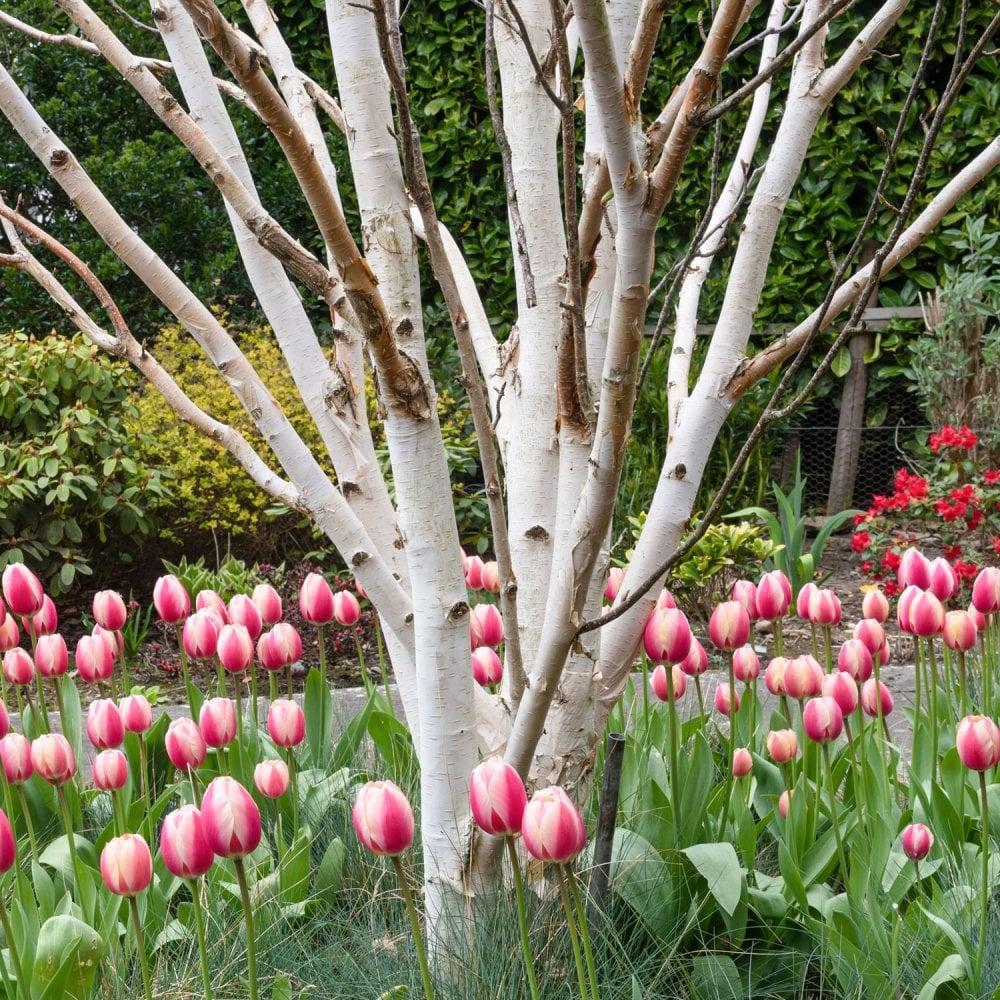
Multi-stem trees
Multi-stem trees Structure, beauty and year-round interest in the garden Multi-stem trees are one of the most elegant planting choices you can introduce into a garden. They combine sculptural beauty, seasonal interest, wildlife…
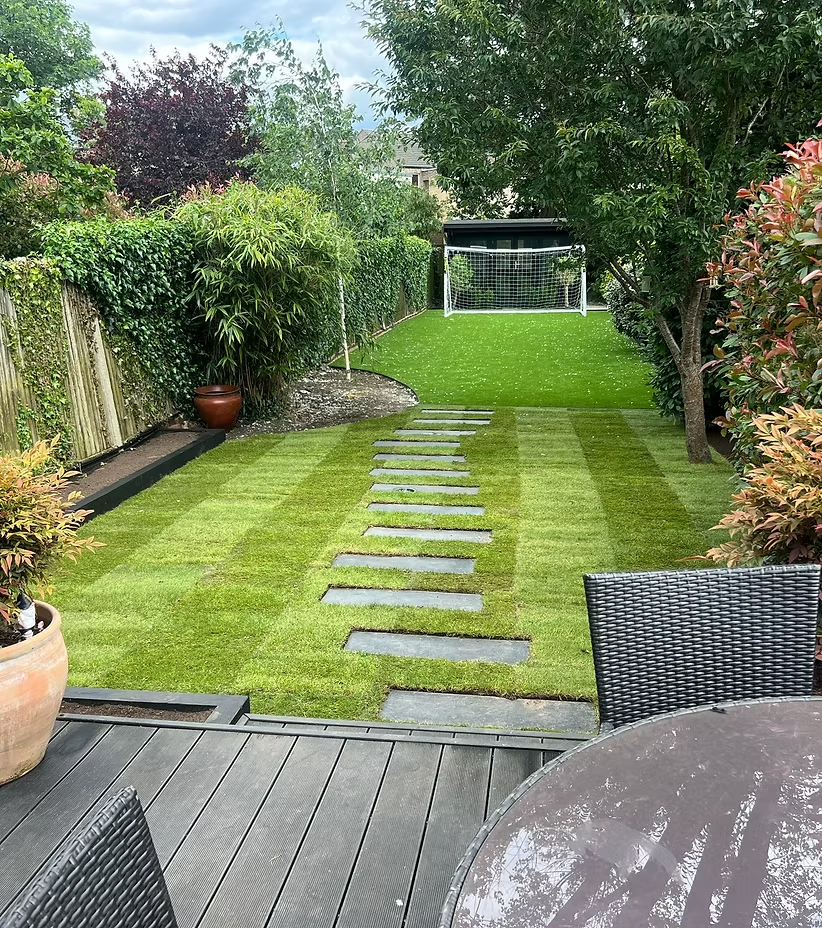
Refreshing a garden with new planting
Refreshing a garden with new planting How to transform a long suburban garden without rebuilding everything. Many gardens already have a layout that works reasonably well. The patio sits outside the house, there…
Gardening is good – and does good
Gardening is good, and does good What the RHS State of Gardening Report 2025 means for UK gardens. Gardening is often described as a hobby, but the Royal Horticultural Society’s first ever State…
Garden Paving
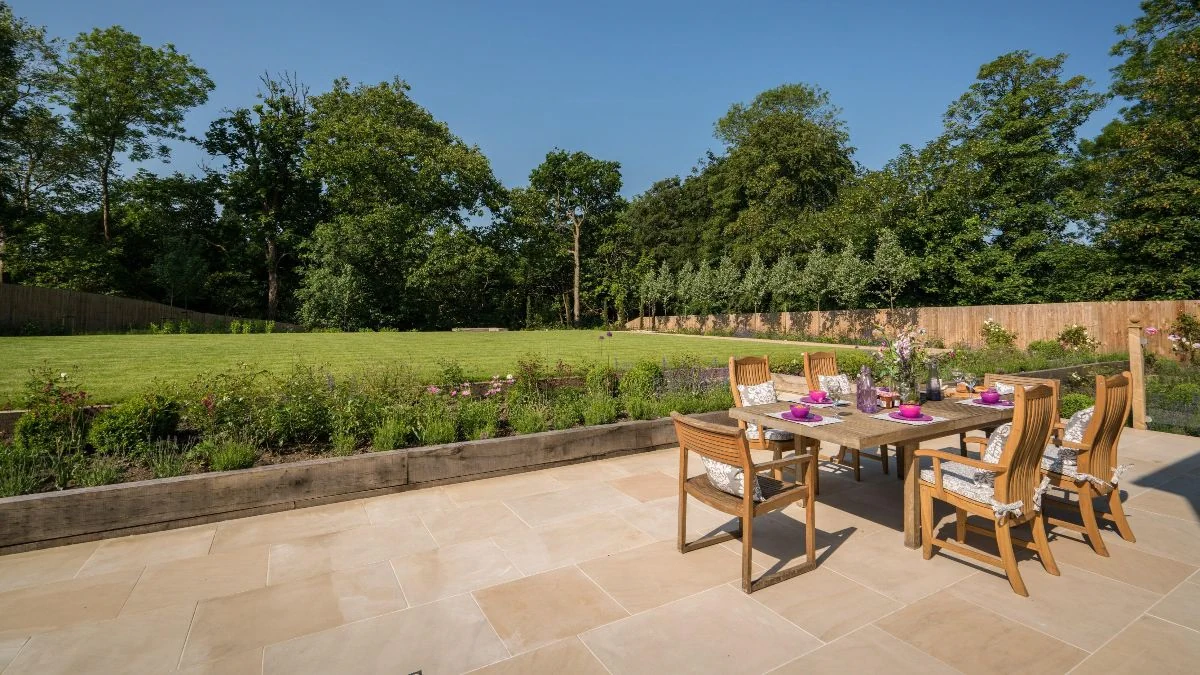
Garden paving Choosing paving that lasts: slabs, setts, colours and textures explained by designers and installers. Paving is one of the longest-lasting decisions you can make in a garden. Get the materials, construction…
Garden centres
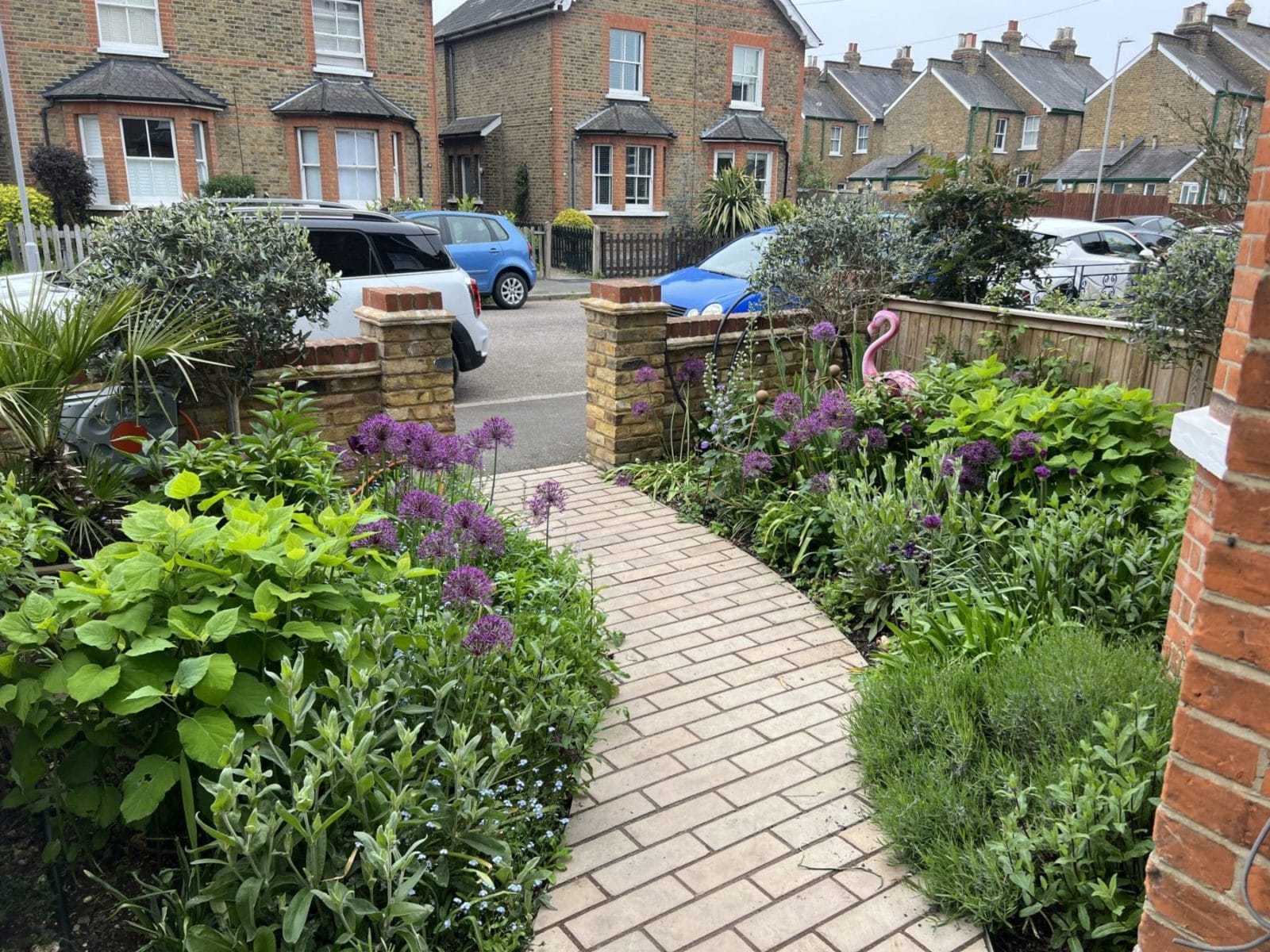
Garden centres How to get the best out of your local garden centre visits. If you enjoy gardening, whether that means planting out borders, refreshing containers or just browsing for something new, a…
Garden pests and diseases
Garden pests and diseases A practical UK guide to the pests and diseases that actually affect gardens in our area, and the plants that resist them. Almost every garden in Kingston, Surbiton, Esher…
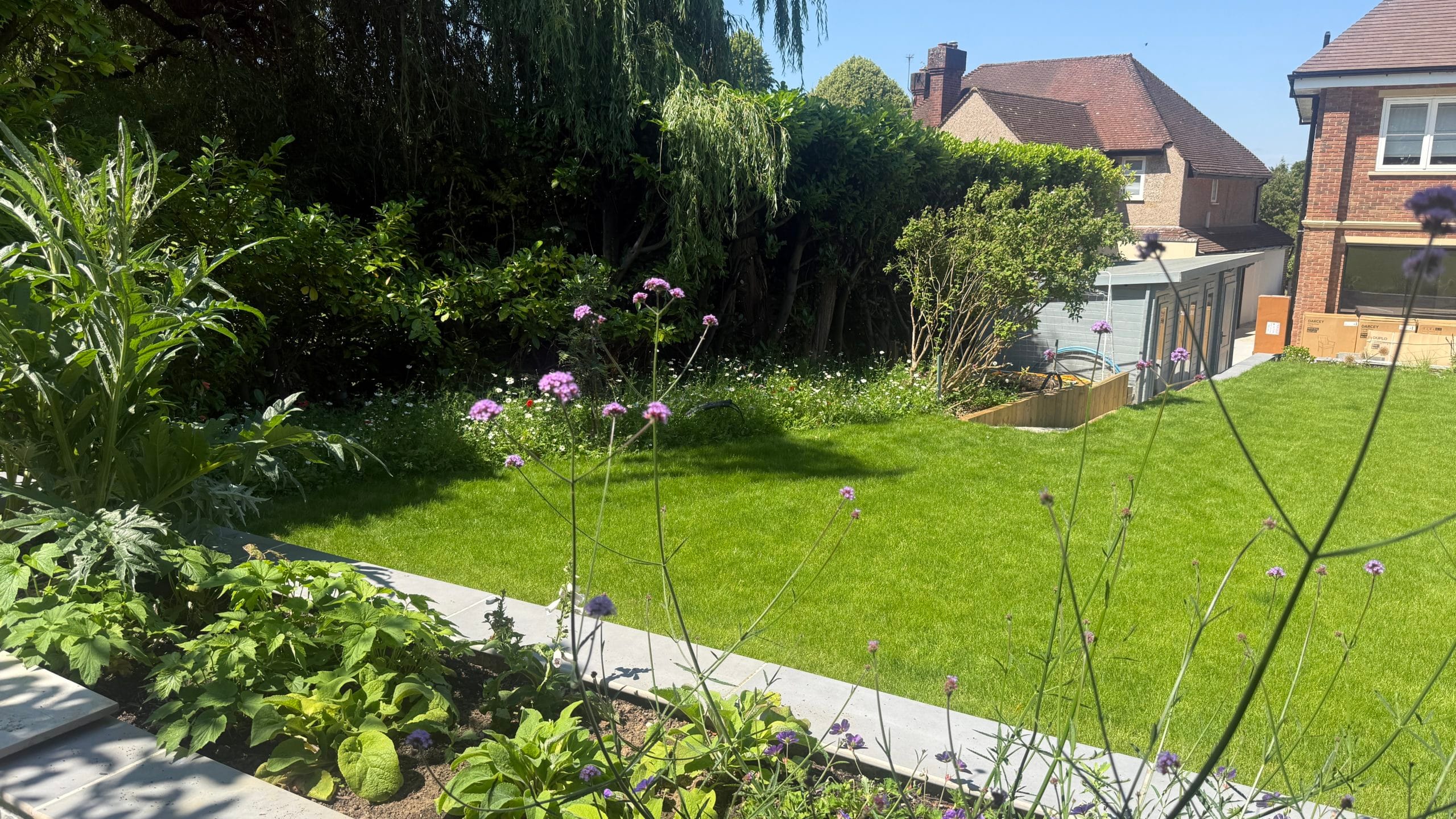
Lawn renovation and seeding
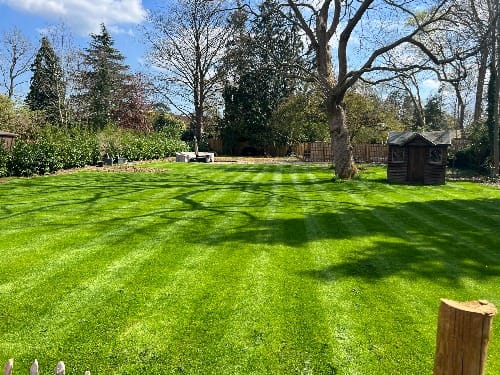
Lawn renovation and seeding How to bring a tired lawn back, or sow a new one that lasts Updated October 2026 Most lawns we look at across Kingston, Surbiton and the wider Surrey…


Why Flourish
Wherever you are based across Surrey and South West London, we work to bring your outdoor vision to life. What sets us apart is the combination of horticultural depth and practical delivery that runs through every project we take on.
- Horticultural depth. Craig Davis, who holds a BSc (Hons) in Horticulture and brings over 40 years of practical experience, shapes the planting, soil and plant-health decisions on every project. Three generations of horticulture run through the business.
- Built around your garden. Every design and build is shaped to suit the aspect, soil, scale and use of the actual plot rather than a templated approach.
- Properly accredited. Members of the APL, TrustMark, The Gardeners Guild, Chartered Institute of Horticulture and the HTA. Approved installer for London Stone and Pavestone.
- Designed to last. Soil preparation, sub-base detailing, irrigation provision and plant sourcing are all specified for long-term performance rather than first-day finish.
Leave us a review
Have we worked on your garden? We would love to hear your feedback. Submit your testimonial and share your experience with Flourish Landscaping, or read what our existing clients have said.
Explore Flourish in more depth
Garden advice and tools
- Garden advice hub
- Flourish Sun Planner
- Garden orientation guide
- Garden styles
- Awkward garden types
- Gardening glossary
Services and projects
- Garden design and landscaping services
- Garden design and build
- Planting design and installation
- Garden maintenance
- Portfolio and projects
About Flourish Landscaping
Looking for expert landscaping services?
Join our happy customers and let us transform your outdoor space. Explore our full range of garden design and landscaping services, or browse recent projects for inspiration. Request a consultation to discuss your project today.